Aerial Geophysical Intelligence

Integrated Geomagnetic Solutions Subsurface Modeling 

Delivering high-resolution geomagnetic data, advanced signal processing, and 3D subsurface modeling to enhance mineral exploration, structural interpretation, and strategic project planning. Our integrated geophysical approach combines precision UAV-based magnetic acquisition with rigorous analytical workflows to reduce subsurface uncertainty and strengthen decision confidence.

Flybi’s edge
Advanced Scalar Magnetometry
High-sensitivity vapor-based sensing enables rapid, accurate measurements.
True Time-Synchronized Data
Time-synchronized magnetic and positioning data ensure accurate georeferencing
Faster & Reliable
Optimized workflows enable faster project completion with consistent data quality.
Safer & Cost-Efficient
Non-intrusive deployment reduces risk and improves capital efficiency.
Subsurface Challenges
google partner badge

Enhancing Subsurface Insights through High-Resolution UAV Magnetic Data

Data-driven UAV magnetic surveys measure variations in the Earth’s magnetic field to reveal critical subsurface information not visible from the surface. By identifying geological structures, buried metallic objects, and hidden ground features, these surveys reduce uncertainty and support safer, more informed decisions before excavation, drilling, or construction begins.

Industries We Serve

We deliver high-resolution UAV magnetometer survey solutions to industries where subsurface intelligence is critical for safety, efficiency, and strategic decision-making. Our services support complex projects by reducing uncertainty and improving operational confidence across diverse environments.

Resource Intelligence
Mining & Mineral Exploration
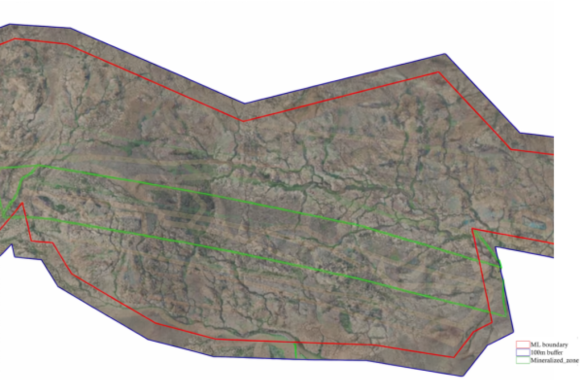
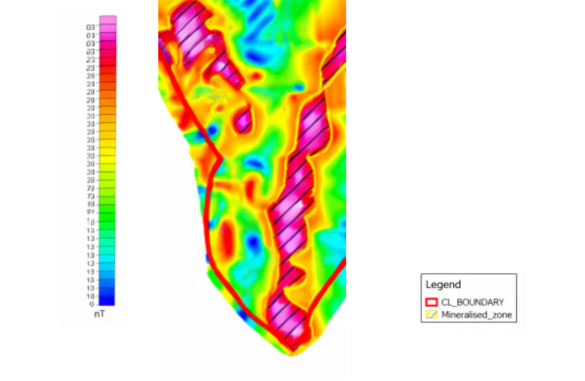
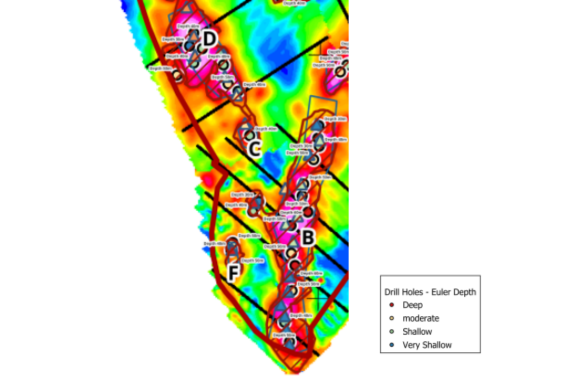
Enhance exploration targeting through detailed magnetic anomaly mapping that identifies structural trends, lithological contrasts, and potential ore-bearing formations—reducing drilling uncertainty and optimizing resource allocation.
Subsurface Site Evaluation
Environmental & Heritage Assessment
Non-invasive magnetic mapping to delineate landfill extents, buried metallic materials, contamination zones, and cultural features while maintaining site preservation and planning accuracy.
Risk Mitigation
Infrastructure & Construction
Mitigate excavation risk by detecting buried metallic obstructions and subsurface anomalies prior to ground disturbance—minimizing project delays, cost overruns, and safety hazards.
UXO & Subsurface Hazard Detection
Military & Defence
Utilize precision geomagnetic methodologies to identify magnetic anomalies associated with unexploded ordnance (UXO), buried metallic objects, and defense-related infrastructure—supporting risk assessment, clearance planning, and secure site development.
Unmatched Expertise

Workflow

Strategic Survey Framework Development

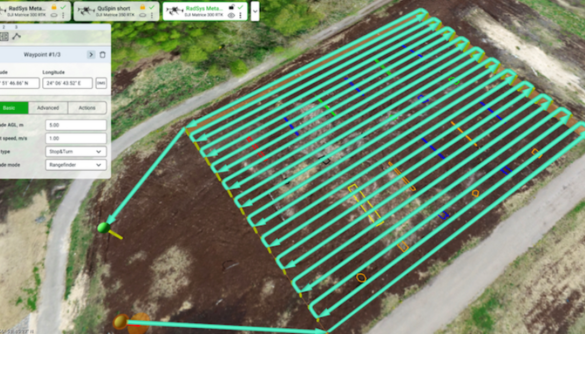
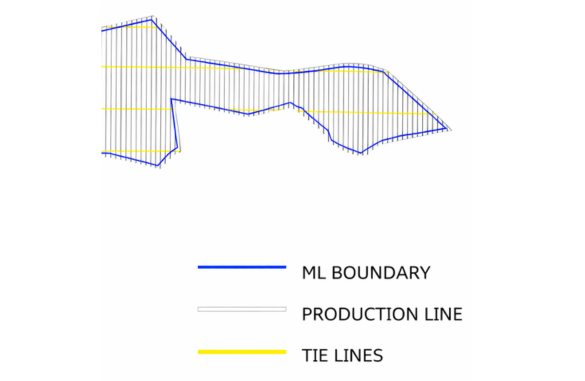
Every project begins with a structured technical assessment to define objectives, site constraints, and required data resolution. Survey grids, line spacing, flight altitude, and positioning controls are optimized to ensure accurate, efficient, and high-quality magnetic data acquisition.

Key Components:

  • Defined project objectives and data requirements
  • Site evaluation and risk assessment
  • Optimized grid and flight line configuration
  • Altitude and spacing tailored to target depth
  • GNSS/RTK control setup where required

High-Resolution Magnetic Data Capture

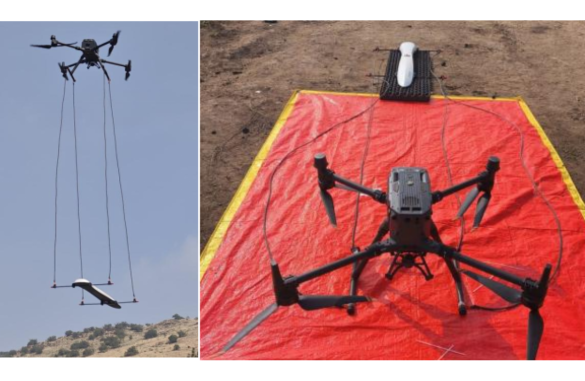
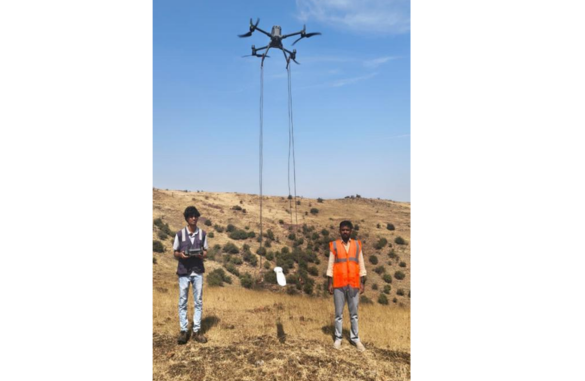
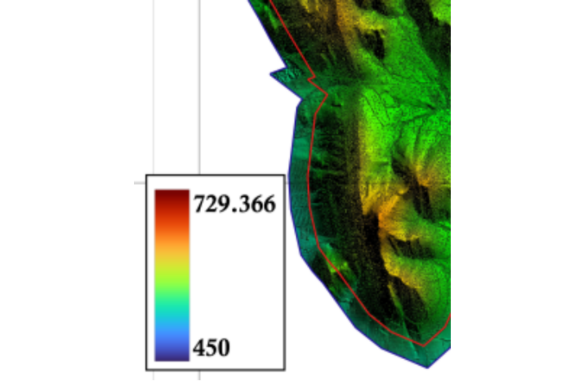
Magnetic data is acquired using UAV-mounted high-sensitivity magnetometers with RTK/DGPS positioning for precise georeferencing. Low-altitude, terrain-following flights maintain consistent sensor clearance, ensuring enhanced anomaly resolution and uniform data quality.

Key Points:

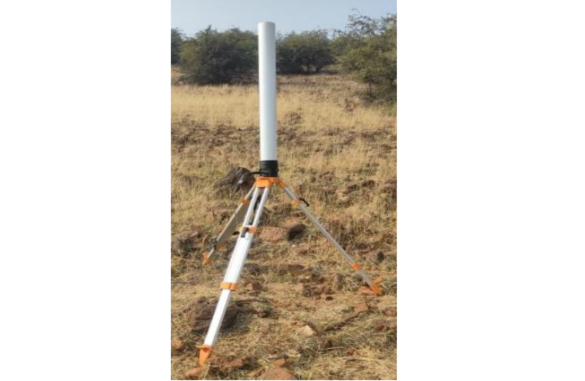
  • High-sensitivity UAV-mounted magnetometer systems
  • Low-altitude, terrain-adaptive deployment
  • RTK/DGPS-based precise georeferencing
  • Optimized flight speed and line spacing
  • Real-time data monitoring and validation

Advanced Signal Conditioning & Validation

Magnetic datasets undergo structured conditioning and validation to ensure accuracy, consistency, and clear anomaly definition. Environmental and operational influences are systematically corrected to preserve true subsurface magnetic signatures before interpretation.

Processing Includes:

  • Diurnal correction to remove temporal variations
  • Heading correction to eliminate platform bias
  • Noise filtering and signal smoothing
  • Micro-levelling for line-to-line continuity
  • Data integrity validation and quality checks

Actionable Subsurface Intelligence Generation

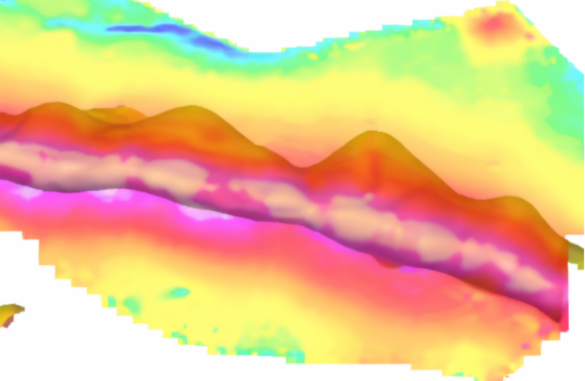
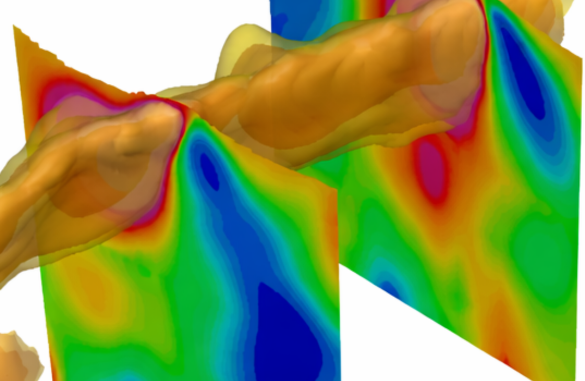
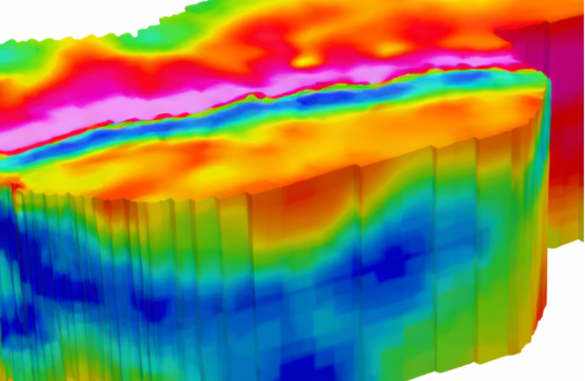
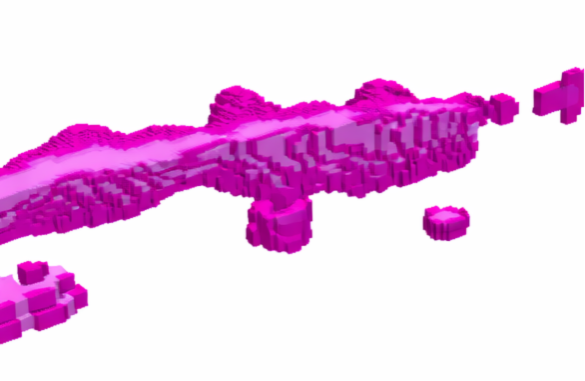
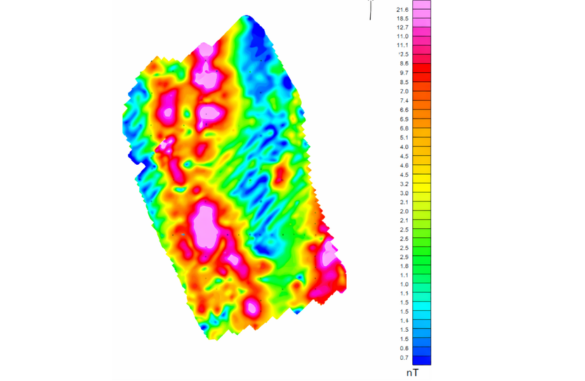
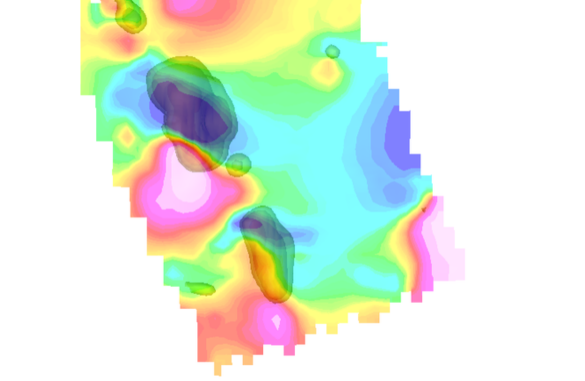
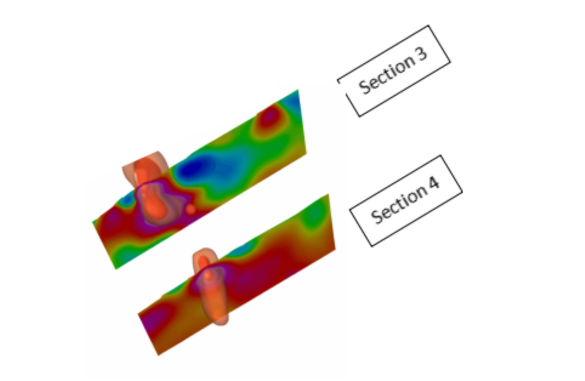
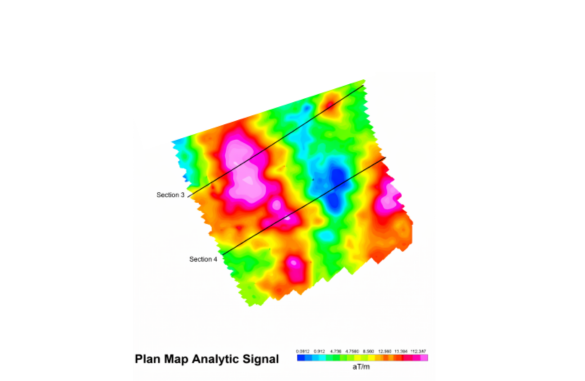
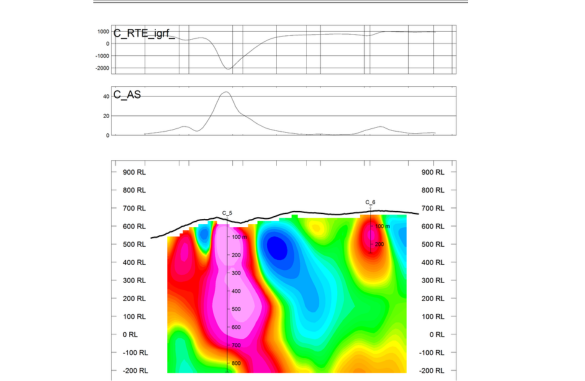
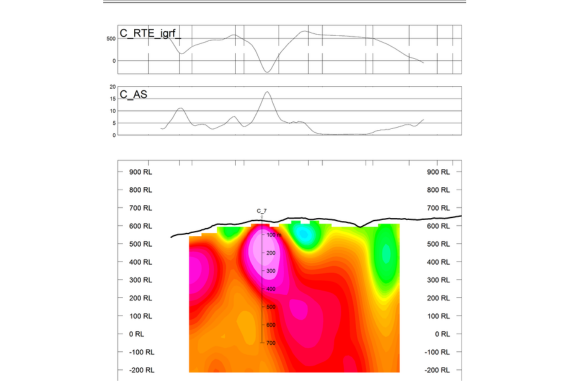
Processed magnetic data is analyzed to define structural trends, lithological contrasts, and localized anomalies aligned with project objectives. Advanced enhancements support accurate target delineation and subsurface characterization, with optional 3D susceptibility modeling for depth and geometry estimation.

Includes:

  • TMI and gradient analysis
  • Reduced-to-pole (RTP) processing
  • Structural and lineament mapping
  • Anomaly classification
  • 3D modeling (project-dependent)

Comprehensive Technical Reporting & Outputs

Each project concludes with calibrated, quality-validated deliverables designed to support technical evaluation and strategic decision-making. Outputs are formatted for seamless integration into GIS and exploration workflows.

Includes:

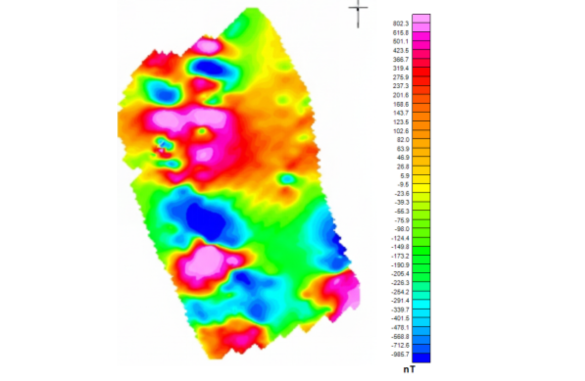
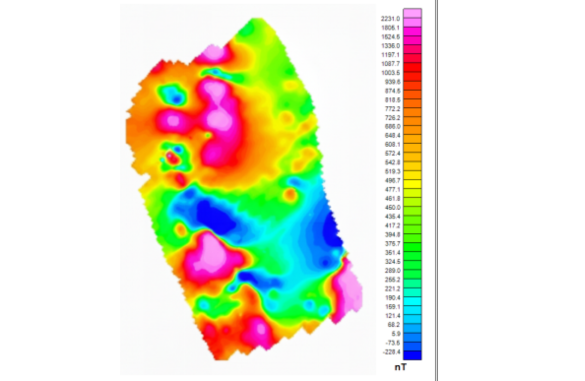
  • Total Magnetic Intensity (TMI) maps
  • Anomaly and gradient maps
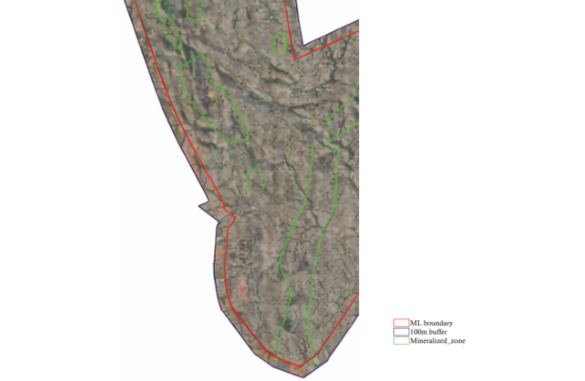
  • Target zone delineation
  • 3D susceptibility models (where applicable)
  • GIS-ready datasets (SHP, DXF, KMZ, GeoTIFF)
  • Technical interpretation report

From Precision Data Capture to Actionable Magnetic Insights

Service Applications & Use Cases

Technical Objective

Identify magnetic susceptibility contrasts associated with lithological variations, structural controls, and magnetically responsive ore-bearing formations to support precise exploration targeting.

Technical Approach

Survey parameters are designed around geological objectives to maximize anomaly resolution and subsurface detectability. Controlled low-altitude, terrain-following UAV flights ensure consistent sensor clearance for enhanced signal fidelity.

Advanced processing techniques are applied, including diurnal and heading corrections, micro-levelling, gradient enhancement, and derivative analysis. Where required, magnetic datasets are integrated into 3D magnetic susceptibility models to estimate geometry and depth extent of potential ore bodies.

Outputs

  • Total Magnetic Intensity (TMI) and Reduced-to-Pole (RTP) maps
  • Gradient and derivative-enhanced anomaly models
  • Structural interpretation overlays
  • Ranked, high-priority drilling targets

Technical Objective

Map and characterize subsurface structural features including faults, dykes, shear zones, lithological contacts, and structural trends influencing mineralization or ground stability.

Technical Approach

Magnetic intensity and derivative datasets are enhanced to isolate linear and discontinuous anomaly patterns. Structural interpretation is performed using gradient mapping, lineament extraction, and comparative trend analysis.

Outputs

  • Structural interpretation maps
  • Lineament vector datasets
  • Geological boundary and contact delineation layers

Technical Objective

Detect and classify localized magnetic disturbances associated with buried utilities, pipelines, metallic infrastructure, or subsurface obstructions.

Technical Approach

High-resolution, low-altitude UAV surveys are executed with tight line spacing to capture fine-scale anomaly signatures. Targeted anomaly clustering and classification techniques are used to distinguish discrete metallic features from background magnetic variation.

Outputs

  • Utility corridor and anomaly location maps
  • Subsurface obstruction identification layers

Excavation risk assessment datasets

Technical Objective

Delineate irregular metallic distributions associated with landfill boundaries, buried waste zones, and contamination areas.

Technical Approach

Large-area magnetic anomaly mapping is conducted with background normalization to isolate anomalous signatures. Anomaly intensity and spatial distribution are analyzed to define irregular waste patterns.

Outputs

  • Landfill extent and boundary mapping
  • Waste distribution models
  • Environmental risk assessment layers

Technical Objective

Detect subtle magnetic contrasts associated with buried archaeological remains and cultural features.

Technical Approach

Low-altitude, high-resolution UAV magnetometry is employed to capture fine-scale magnetic variations. Micro-levelling and anomaly clustering techniques enhance detection of weak archaeological signatures while preserving background integrity.

Outputs

  • Subsurface feature detection maps
  • Target zones for archaeological investigation
  • Non-invasive survey datasets for preservation planning
Growth with Precision

Ready to Understand What Lies Beneath Your Site?

Leverage advanced magnetometer survey solutions to gain reliable subsurface intelligence before your project begins.

JSW
Adani
KPCL
MSPL
EY
Vedanta
Trusted by Industry Leaders

Explore Our Other Services

Discover more ways Flybi Technologies can elevate your operations with tailored drone solutions.

Image link
Geomagnetic Solutions
Image link
Structural Inspection
Image link
Air Quality Monitoring
Image link
Stockpile Management
Image link
Mining Digitization
Strong growth

Growing Together!

Our numbers reflect trust and collaboration!

0+

Leading Clients in the Industry

0+

Top Experts Driving Innovation

0+

Successful Projects Delivered

0%

Client Satisfaction

#

We use True terrain-follow flight plans based on elevation models. The drone adjusts its altitude continuously to maintain a constant sensor height above ground, even in hilly or uneven areas.

Survey design depends on target size, depth, and project goals. Smaller or deeper targets require lower flight altitude and tighter line spacing for better resolution.
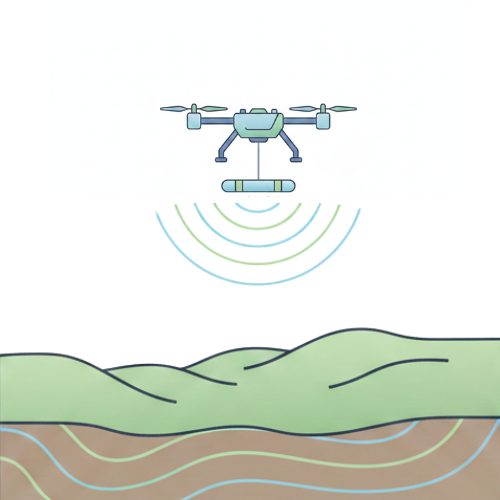
Depth depends on target size and magnetic strength. Larger magnetized bodies can be detected deeper, while smaller targets require lower flights and denser data

Yes. The data is processed and leveled to support target definition and drill planning, not just visual mapping.

Yes. Magnetic data can be seamlessly integrated with LiDAR terrain models, geological mapping, drill data, and other geophysical datasets to improve structural interpretation and target definition.